How to Train a Great Dane (15 Vet-Reviewed Expert Tips)


In this article
If you recently brought home or plan to add a Great Dane pup to your family, this is such an exciting and challenging time. Although raising a dog is rewarding, early socialisation and consistent training based on positive reinforcement is required to keep them on track, obedient, and mannerly.
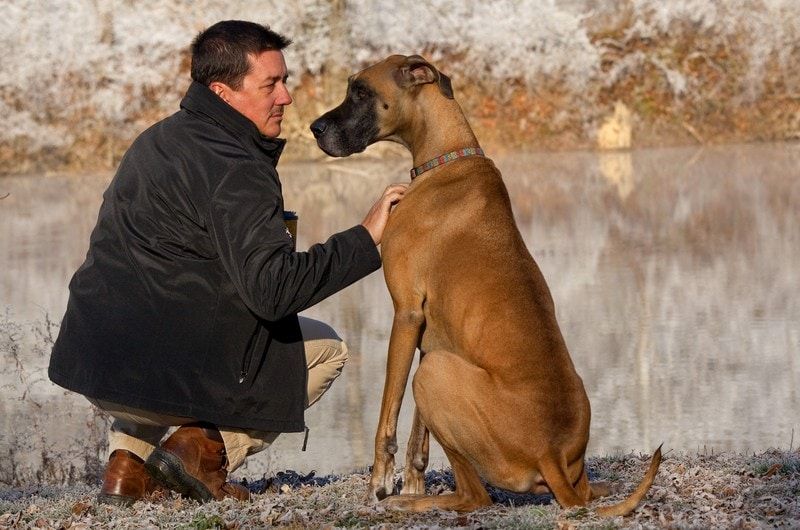
Great Danes are incredibly large dogs that can be clumsy but also affectionate and loyal. So, how exactly do you train this magnificently large breed? Luckily for you, Great Danes respond to training well and usually enjoy the process. In this article, we'll discuss how to train your Great Dane.

Command Training Your Great Dane
Since Great Danes are so intelligent, command training shouldn't take long. They are also highly food-motivated, so having treats during the process helps.
1. Remove Distractions
Your dog's attention span is short, especially when it is very young. That's why it's best to remove any outside distractions as much as possible when you are command training. You can gradually increase the external stimulation as your pup ages, and it will vary from dog to dog.

2. Use Motivation
If you're in command training, you might use different forms of motivation. Some people use dog whistles, clickers, and long leads, and others rely on dog treats or toys. Whatever method you choose, make sure to use it consistently each time.
You want your dog to associate the training technique with a positive outcome, be it treats, praise, or playtime. It's going to work much faster if you can give them an incentive.
3. Use Simple Commands
Avoid using complicated words or phrases, and keep the training as simple as possible. To prevent confusion, it's best to stick with the commands you select. You can also use hand signals and gestures to communicate with your pet.

4. Keep Training Intervals Short
You can break your training sessions up into 10 to 15-minute intervals several times throughout the day. It's up to you how much or how little you would like to work with your dog, but try to keep it a daily routine.
Your dog has a short attention span, so it might be difficult to sit for long periods working on tasks. Instead, keep the sessions predictable and brief, and stop while you’re still making good progress. That way, your dog can train more, and the training sessions will go smoother and more fulfilling for both of you.
5. Keep Control
Try to train your dog to wear a harness. A harness with a handle can help you maintain body control over your dog. Using this feature as a guiding tool when your dog is learning to walk on the leash, among other tasks, can help direct their movements.
Negative Training Methods & the Impact It Has
Being too harsh on your dog can have adverse effects. It can cause a fear-based relationship and lead to unwanted behaviors. Also, if you're inconsistent with training, it might be frustrating when it's not sticking.
Just remember to keep a positive attitude while being the leader of the show. Do not allow your pup to have the stage. Rather than fighting them for power, divert the attention back to the task at hand.


Trick Training Your Great Dane
Your Great Dane will enjoy learning new tricks and spending time with their people.
1. Find a Yummy Treat Your Pup Loves
Your pup will probably like any treat you buy. However, purchasing a treat that is crunchy and easy to store is very important. You'll want treats that you can keep in a small bag when you're training so that you can serve them quickly after your dog responds correctly. Wet food or plain, cooked pieces of meat aren't practical for training.
You may have to experiment to find a treat your Great Dane likes, but they're not known for being very picky.

2. Get Your Pup’s Full Attention
When you are teaching tricks, your pup needs to be focused. Getting their attention helps them retain information and ensures they learn to focus during this time. Timing your sessions around mealtimes can be helpful as some dogs focus better when slightly hungry because treats are more motivating, while others may be distracted if they’re very hungry. Observe your dog’s behavior and choose a time when they are alert, calm, and ready to learn.
3. Use Simple Phrases
Instead of using long strings of words or confusing them with rambling, choose one or two words and stick with them for every trick.
Here are some trick ideas to get started!

4. Master One Trick at a Time
You don't want to confuse your dog by teaching them too many tricks at once. Rather than working on a handful of tricks, focus on one at a time until your dog masters it.
5. Be Consistent
Dogs thrive when they follow a routine, and it's best to feed and train them at specific times. Your Great Dane will eventually look forward to the training as long as you keep the sessions brief and positive.
Treat Dependence & the Downfalls
Although treats are useful in training, be careful not to overuse them. Treat dependence can lead to disobedience at crucial times, and your dog can also gain weight if they eat too many snacks. So, make sure to pull back the use of snacks as training progresses slowly.
Potty Training Your Great Dane
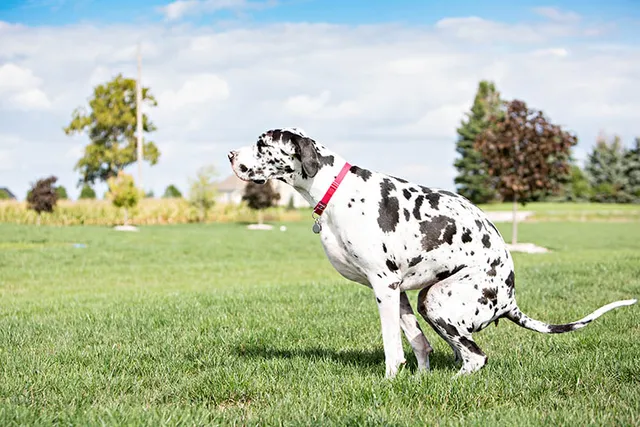
Potty training might be the single most daunting task of raising a dog. You have to go through the motions with them, cleaning up stains from your rugs, carpets, and hardwood floors. It seems like the process takes forever.
Rest assured, soon enough, your Great Dane will get the hang of it.
1. Familiarize the Pup
Your puppy will need some time to get acquainted with your home. After all, they have only been around their litter mates, mother, and the people who raised them. Now, they are alone with new faces, smells, and environments. It’s a scary time, so don’t expect immediate results or have high expectations.
After you've removed hazardous items and puppy-proofed your home, you can supervise your pup as they explore their new habitat.

2. Limit Access
Don't allow your pup to roam freely at first. It's best to block stairways with puppy gates and close the doors to bedrooms and other rooms you don't want them to access. You can allow them in other areas of the house after they're potty-trained.
3. Create a Safe Kennel Space
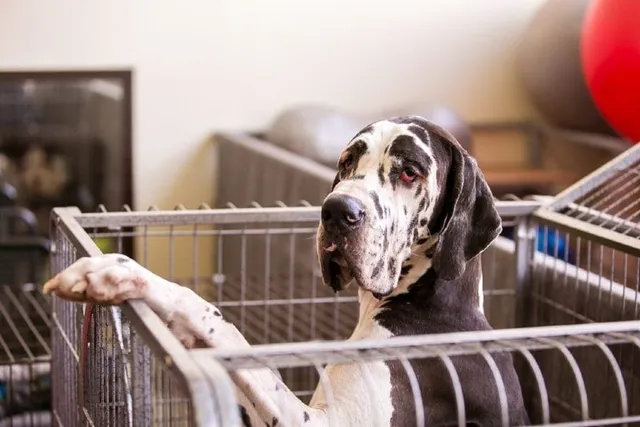
Instead of using the kennel as a punishment, make it a sanctuary. Dogs have strong den instincts and love having a secluded place to sleep, relax, and find peace. Keeping your dog in a comfy kennel between bathroom visits can eliminate floor accidents and keep your pup in one place. You can slowly start expanding the roaming space as training progresses.

4. Keep a Timed Schedule
You'll become familiar with your dog's body language, which is vital since it will help you determine when they need to use the bathroom. Once you learn more about them, keep them on a feeding and potty schedule. As a general rule, your puppy should go out every hour of their age. For example, if your Dane is three months old, they need to go outside every three hours, although this may vary between individuals.
5. Visit the Same Spot
While your pup is learning the ropes, repeatedly take them to the same spot. This will help bridge the connection and prevent them from adopting multiple potty spots.
Things Not to Do When Potty Training
Always stay consistent when you're potty training. Changes in your schedule or routine can throw your dog out of whack and make it more complicated for them to form long-term habits.
Also, do not use punishments when your Great Dane has an accident inside. This can start a negative relationship that can lead to other behavioral issues, including destructiveness and aggression later.

Professional Training
Sometimes, it's complicated to find the time, patience, or tools to train your dog properly. If you've tried different training methods that have proven ineffective, it might be time to seek professional help.
Your veterinarian can recommend an experienced trainer, and you can research licensed trainers in your area online. Training can be a little pricey, but it's worth it. Some trainers might offer payment plans or discounts, so compare rates and read lots of reviews.
If you are concerned about your dog's behavior, we suggest you speak with a vet
Conclusion
Training your Great Dane is a fascinating process. Whether you're potty training or teaching new techniques, it creates an opportunity to improve your relationship with your pet. Great Danes are exceptionally intelligent animals with unwavering loyalty.
Even if you have a rambunctious pup, they want nothing more than to make you happy. Best of luck with the training process, and we hope we’ve given you some tools to use on your journey.
See also:
Featured Image Credit: Dmussman, Shutterstock
Expert dog care, straight to your inbox
News, insights, expert advice, and everything dog.

No spam — unsubscribe anytime.
By signing up, you agree to our Terms & Conditions and Privacy & Cookies Policy.
How useful was this post?
Click a star to rate. You can leave written feedback afterwards. (We read all feedback.)
Ashley Bates is a freelance dog writer and pet enthusiast who is currently studying the art of animal therapy. A mother to four human children— and 23 furry and feathery kids, too – Ashley volunteers at local shelters, advocates for animal well-being, and rescues every creature in need. Her mission is to create awareness, education, and entertainment about pets to prevent homelessness. Her specialties are dogs and cats.